

When someone you love dies, you start looking for them everywhere. In dreams. In songs. In signs that show up at exactly the right moment. Anything that might tell you theyâre still here somehow. But what happens when psilocybin opens a door you didnât even know was there? My guest, Heather A. Lee, is one …
0:00 / 55:41
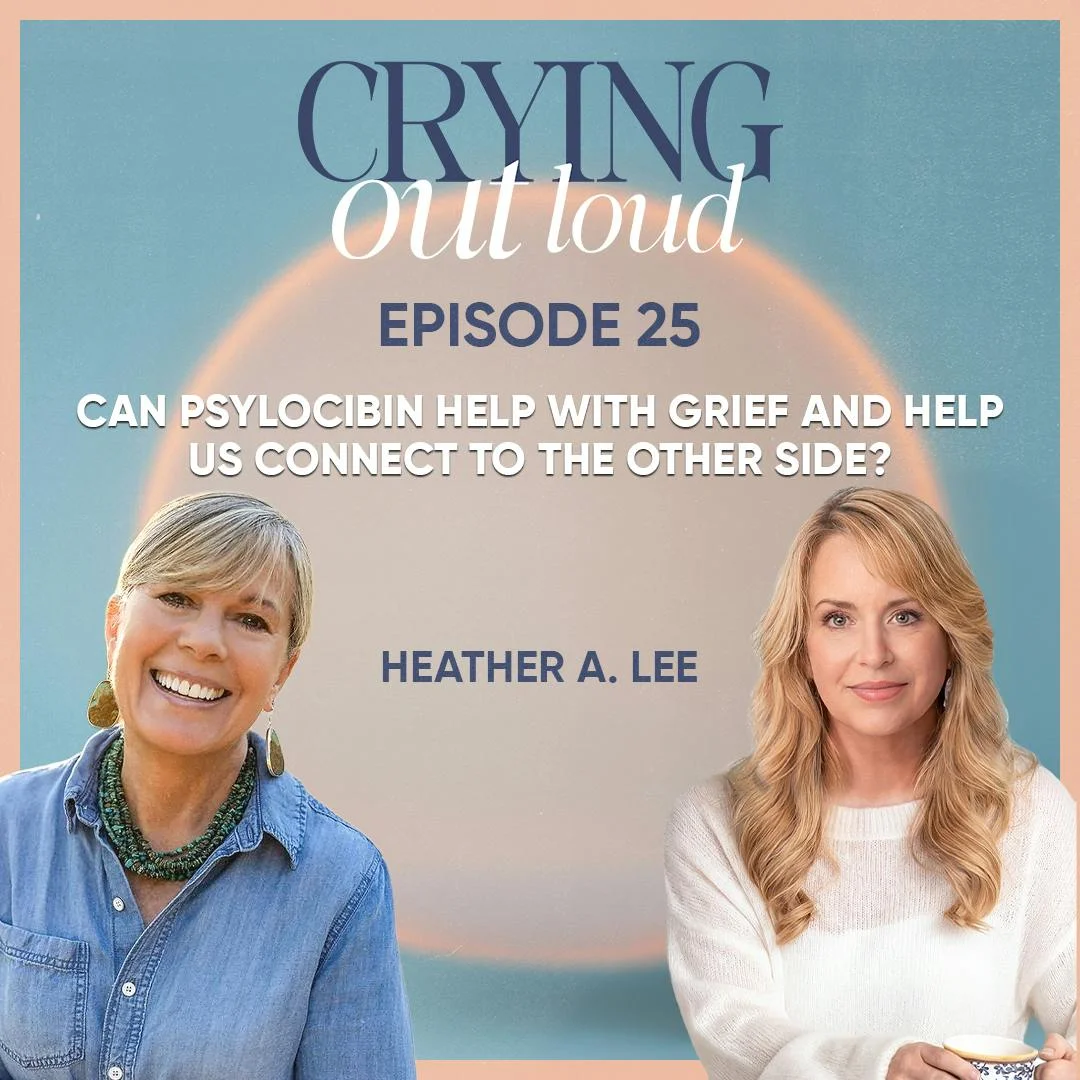
When someone you love dies, you start looking for them everywhere. In dreams. In songs. In signs that show up at exactly the right moment. Anything that might tell you theyâre still here somehow.
But what happens when psilocybin opens a door you didnât even know was there?
My guest, Heather A. Lee, is one of the first certified and licensed psychedelic-assisted psychotherapists in the U.S. Before moving into psychedelic medicine, she spent years as a hospice social worker, sitting with people at the end of life. She later trained with researchers at Johns Hopkins, NYU and Imperial College London, and sheâs the author of The Psilocybin Sessions.
Iâve been curious about Heatherâs work for a long time, especially after having my own profound psilocybin experience. So I wanted to understand what is actually happening during these journeys. What does psilocybin do to the brain? Why can it sometimes reach grief, trauma and old wounds that years of talk therapy havenât touched? And what do we make of the people who say they encountered someone they love who has died?
Heather explains how psilocybin quiets some of the brain systems involved in fear and our fixed sense of self, creating a window where old patterns can loosen and something new can emerge. We talk about why preparation and integration matter, why she believes these experiences should be facilitated by someone properly trained, and who should stay away from psychedelics altogether.
Then we get into the part of this conversation I was especially interested in: grief.
Heather shares stories of people who encountered loved ones who had died during their journeys, including a mother whose 18-year-old son died from fentanyl poisoning and who felt she spent hours communicating with him. We talk about whether these experiences are happening entirely inside the brain, whether they might give us access to something beyond our ordinary awareness, and whether we even need to know for certain in order for the experience to be healing.
I also share something I havenât talked about publicly before: my own psilocybin journey. While my best friend was having a beautiful experience with angels, guides and flowers, I spent hours feeling as though I was physically giving birth to grief. My body moved in waves and convulsions as I saw women surrounding me like midwives and felt grief moving through me for Sammy, for my childhood, for mothers and women I had never met. It was one of the strangest and most powerful experiences of my life.
We also talk about microdosing, anxiety and OCD, antidepressants, neuroplasticity, and what Heather has learned from decades of working around death and dying about consciousness and what might happen after we die.
In this episode, we talk about:
-
What psilocybin actually does in the brain
-
Why grief and trauma can surface in ways we donât expect
-
The difference between taking mushrooms recreationally and doing a facilitated therapeutic journey
-
Why preparation and integration are such an important part of the process
-
What it can feel like to encounter someone you love who has died
-
My own experience of physically âbirthingâ grief during a psilocybin journey
-
Whether psychedelic experiences are happening in the brain, beyond it, or possibly both
-
Psilocybin for anxiety and OCD
-
Antidepressants and other considerations before a psychedelic journey
-
Microdosing versus a full-dose journey
-
Who should not use psilocybin
-
How grief can open us to questions about consciousness, connection and what happens after death
If youâve ever wondered whether psychedelics can help us access parts of grief that we canât seem to reach any other way, or whether the people we love might still be available to us in ways we donât fully understand, I think youâll find this conversation fascinating.
This isn’t about convincing you of anything. It’s about staying curious about what connection can look like after loss, and what our minds and hearts might be capable of as we heal.
Don’t forget to follow Heather A. Lee and check out her book, The Psilocybin Sessions. You can find more of her work on her website or by following her on Instagram. She’s also opening a grief-specific psilocybin retreat in Colorado this January, details to come on her socials.
And if you want to explore more of how our brains, bodies, histories and emotional patterns shape the way we love and connect, come find me on my other podcast, The Language of Love. Every week, I talk with leading experts and share what I’ve learned in more than 30 years as a therapist about relationships, intimacy and healing. You can find The Language of Love wherever you’re listening to Crying Out Loud.
This episode is also brought to you in part by Channeling Grief, a Substack by Elizabeth Kopple. After her 18-year-old son, Henry, died on his first day of college, Elizabeth turned to writing to explore grief and how we find connection, meaning, and a way forward after profound loss. Now a certified grief educator, she shares essays, interviews, and resources to help you feel seen and less alone. Subscribe for free at channelinggrief.substack.com. We’re so grateful to Elizabeth for supporting Crying Out Loud and our grieving community.
And if you’re looking for support, connection, or a place to feel less alone, my book, Crying Out Loud: A Path Through Grief Into a Life Reimagined, and The Grief Healing Collective are here for you. If something in this episode spoke to your heart, share your story or send your questions to cryingoutloudpod@gmail.com.


