

There are ways we learn to disappear long before we realize we're doing it. Some of us become caretakers. Some become achievers. Some become peacemakers. We learn how to earn love, avoid conflict, meet expectations, and survive the environments that shaped us. Over time, those adaptations can become so familiar that we mistake them for …

0:00 / 1:02:03
There are ways we learn to disappear long before we realize we’re doing it.
Some of us become caretakers. Some become achievers. Some become peacemakers. We learn how to earn love, avoid conflict, meet expectations, and survive the environments that shaped us. Over time, those adaptations can become so familiar that we mistake them for our personalities.
But what happens when the cost of staying disconnected from ourselves becomes too high to ignore?
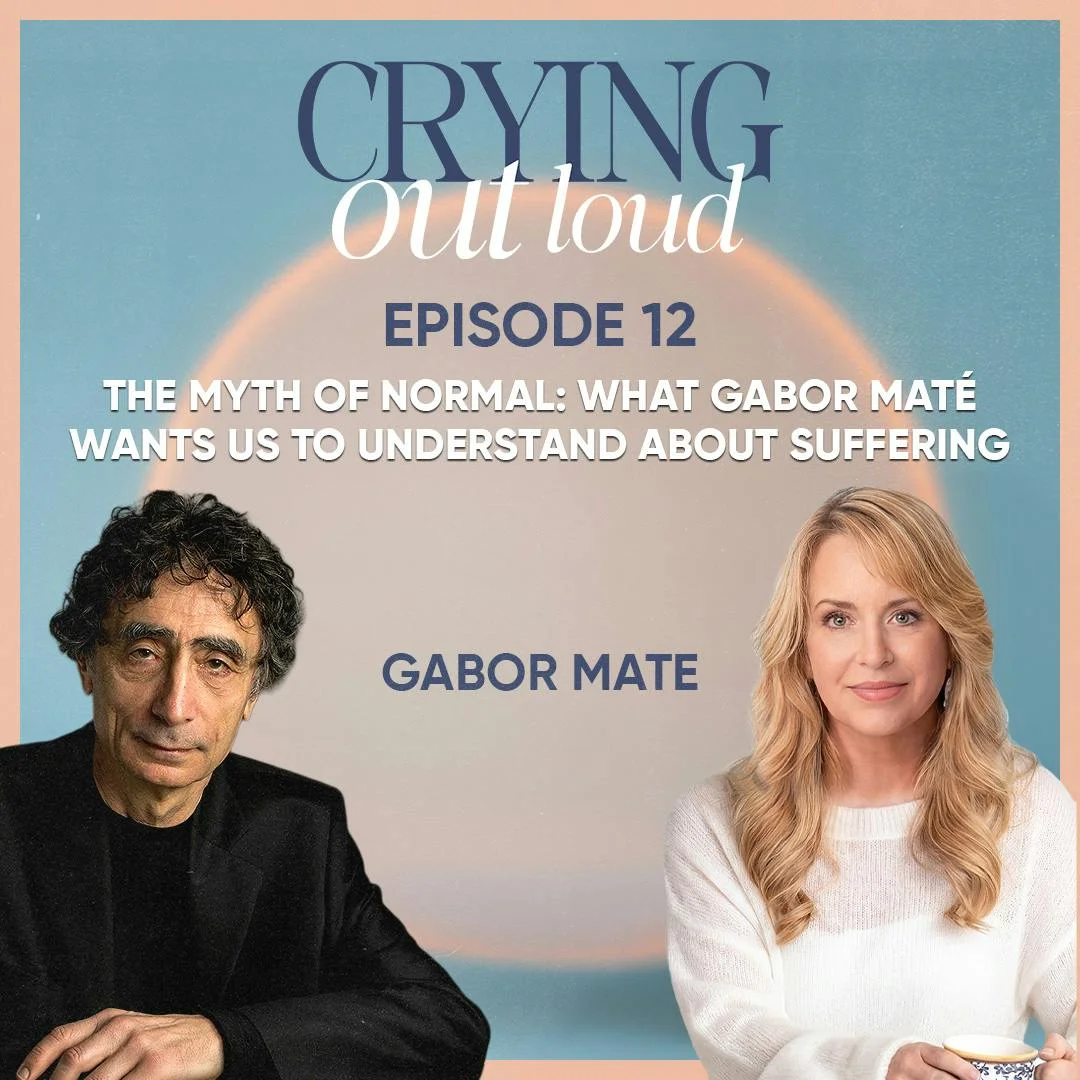
In this episode of Crying Out Loud, I sit down with renowned physician, bestselling author, and trauma expert Dr. Gabor Maté for a powerful conversation about trauma, grief, illness, addiction, and the lifelong journey back to ourselves.
For more than five decades, Dr. Mate has explored the ways our emotional lives shape our physical health. Through his work in family medicine, palliative care, and addiction treatment, he has witnessed a truth that challenges much of what our culture believes about suffering: many of the struggles we experience as adults are not signs that something is wrong with us. They are adaptations to experiences that once helped us survive.
Together, we explore the hidden costs of self-abandonment and the ways unresolved trauma can quietly shape our relationships, our health, our parenting, and our sense of identity. We discuss why so many people carry guilt that does not belong to them, why sensitive children are often misunderstood, and how the pressure to be strong, agreeable, or selfless can disconnect us from our own needs.
This conversation also became unexpectedly personal.
Just over a year after the death of my son Sammy, I found myself sharing parts of my own story with Gabor. We talked about grief, parenting, guilt, and the questions that haunt so many bereaved parents. What emerged was not a conversation about blame. It was a conversation about understanding. About seeing ourselves through a lens of compassion rather than judgment.
What I appreciate most about Gabor’s work is that he never asks us to fix ourselves. Instead, he invites us to become curious about the stories we’ve been living, the wounds we’ve been carrying, and the parts of ourselves we’ve learned to leave behind.
This episode is an invitation to do exactly that.
In This Episode, We Explore:
⢠How childhood adaptations become adult patterns
⢠Why self-abandonment is often mistaken for being “good”
⢠The connection between trauma, stress, and physical illness
⢠Why women disproportionately carry emotional burdens in their bodies
⢠A new way of understanding addiction that moves beyond blame and willpower
⢠The hidden roots of guilt and shame
⢠What highly sensitive children actually need from the adults who love them
⢠How grief can reactivate old wounds and unresolved pain
⢠The difference between healing and simply coping
⢠What it means to reconnect with your authentic self
To learn more about Dr. Gabor Maté and his work, visit his website and explore his books, including The Myth of Normal, When the Body Says No, and In the Realm of Hungry Ghosts. His groundbreaking work has helped millions better understand the connections between trauma, health, relationships, and healing.Â
And if you’re navigating grief, loss, or a season of profound change, know that you don’t have to do it alone. The Grief Healing Collective offers support, connection, and a community that understands the challenges of rebuilding life after loss.
If this conversation resonated with you, we’d love to hear from you. Share your thoughts, questions, or story at cryingoutloudpod@gmail.com.
Because healing begins when we stop running from our pain and start listening to what it has been trying to tell us all along.


